Good Young Men
By Gary Lonesborough
Recommended
Reviewed by Cassidy Bleasel, English teacher, St Paul's Collegiate School, Waikato
| Publisher: | Allen & Unwin |
| ISBN: | 9781761182174 |
| Format: | Paperback |
| Publication: | February 2026 |
| Ages: | 14+ years |
| Themes: | First Nations people, identity, justice, coming out |
Recommended
Reviewed by Cassidy Bleasel, English teacher, St Paul's Collegiate School, Waikato

Opening sentence
Two council workers in high-vis shirts are on ladders, scrubbing away the words: WHITE POWER
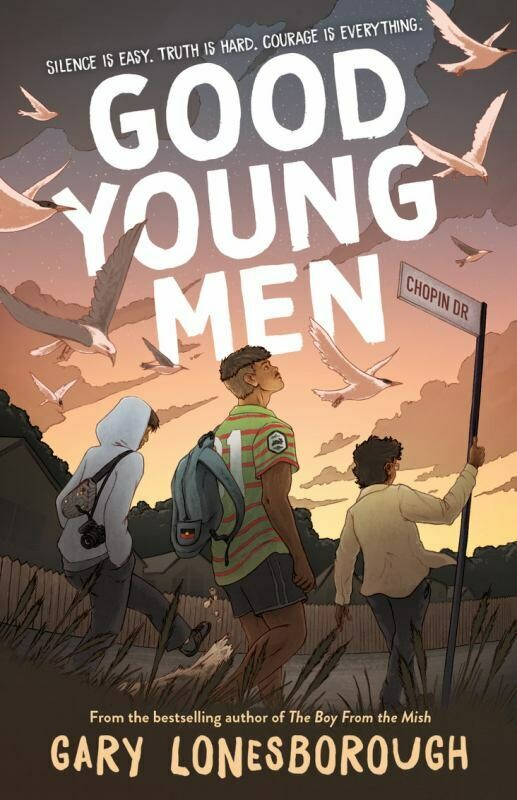
'Good Young Men' follows three different Aboriginal teenagers as they navigate their last year of high school in a small Australian town after the death of their friend at the hands of the police. As the boys reconnect after years of drifting apart, Lonesborough explores the complex social, cultural, and political hurdles each must overcome.
In the opening section, we meet Kallum, who is struggling with his identity and the daunting prospect of coming out. Lonesborough approaches this subject gently, focusing on Kallum’s internal struggles to show the reader how these pressures can weigh heavily on teenagers.
The final act is told from Dylan’s perspective. Here, we shift to examining justice, and specifically those for whom it is denied. Through Dylan's eyes, we see the impact of racism on him, his friends, and his community. This section echoes other novels, such as 'The Hate U Give', capturing how it feels to be marginalised by society. Dylan shows bravery by testifying in court, even when faced with threats from white supremacists.
Having previously reviewed Lonesborough’s 'I’m Not Really Here', I found this latest work to be just as beautifully written. It is an engaging, accessible read which handles the heavy but vital issues facing First Nations youth with grace and sincerity.
In the opening section, we meet Kallum, who is struggling with his identity and the daunting prospect of coming out. Lonesborough approaches this subject gently, focusing on Kallum’s internal struggles to show the reader how these pressures can weigh heavily on teenagers.
The final act is told from Dylan’s perspective. Here, we shift to examining justice, and specifically those for whom it is denied. Through Dylan's eyes, we see the impact of racism on him, his friends, and his community. This section echoes other novels, such as 'The Hate U Give', capturing how it feels to be marginalised by society. Dylan shows bravery by testifying in court, even when faced with threats from white supremacists.
Having previously reviewed Lonesborough’s 'I’m Not Really Here', I found this latest work to be just as beautifully written. It is an engaging, accessible read which handles the heavy but vital issues facing First Nations youth with grace and sincerity.
| Publisher: | Allen & Unwin |
| ISBN: | 9781761182174 |
| Format: | Paperback |
| Publication: | February 2026 |
| Ages: | 14+ years |
| Themes: | First Nations people, identity, justice, coming out |